
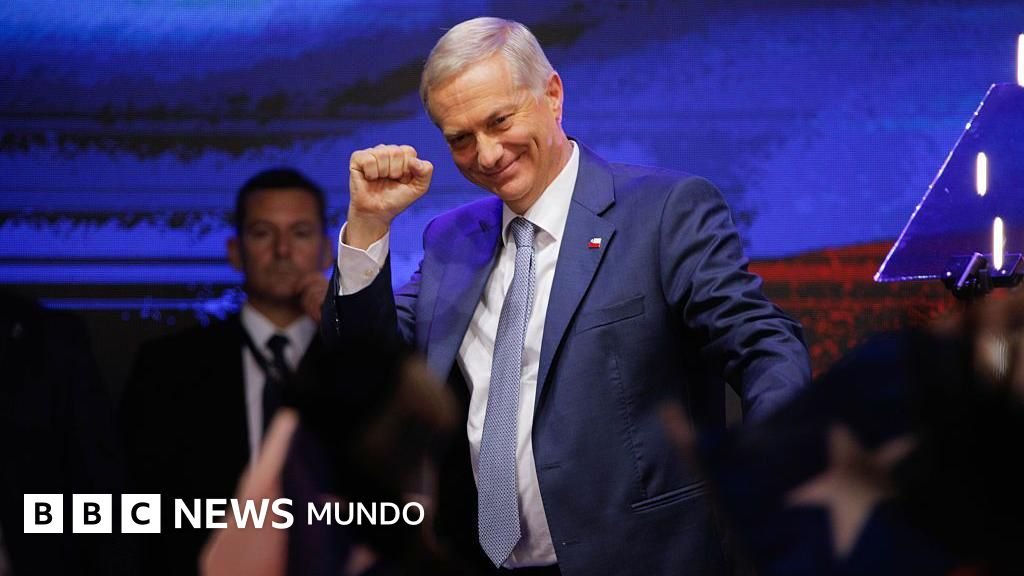
Chile Elects José Antonio Kast: A Shift Towards the Right
This article explores the recent presidential election in Chile, where ultraconservative José Antonio Kast emerged victorious, marking a significant shift in the country’s political landscape. With a historic voter turnout and pressing concerns about security and migration influencing the election, Kast’s win represents an important transition after years of leftist governance.
Election Results
In a decisive victory, José Antonio Kast managed to secure 58.16% of the votes, leaving leftist candidate Jeannette Jara with 41.84%. This marks Kast’s third attempt at the presidency and his triumph is notable as it indicates the most substantial rightward shift in Chile since the return to democracy, following four years of Gabriel Boric’s leftist government. Kast’s popularity can be attributed partially to the mandatory voting system and the expansion of the electoral roll, which contributed to more than 7.2 million Chileans casting their ballots in favor of his candidacy.
Key Issues Behind Kast’s Victory
1. Security Concerns and Irregular Migration
Sociologist Eugenio Tirnoni points out that fear has become a significant factor driving the electorate’s choice. He emphasizes that concerns about crime, uncontrolled migration linked to criminal activity, and economic stagnation have fueled a desire for change among Chileans. Kast effectively tapped into this sentiment, advocating for a “hardline” approach to crime and irregular migration.
2. A Perceived Moderation
Kast’s more moderate stance during this campaign marked a departure from his previous hardline positions, which included controversial views on LGBTQ+ rights and outright admiration for Augusto Pinochet. This pragmatism allowed him to appeal to a broader audience, including centrist voters and conservatives disenchanted with the previous administration.
3. Facing Off Against a Continuity Candidate
Jeannette Jara’s candidacy struggled under the weight of being associated with Boric’s administration, which has faced criticism for its handling of various issues. The electorate’s desire for a change in leadership contributed to her defeat. Analysts note that Jara’s identity as a communist further complicated her appeal, as a substantial section of voters may have felt uncomfortable supporting a candidate from that background.
4. Strategic Alliances and Support
In the first round of voting, Kast received about 23% support, indicating he wasn’t an automatic choice for all right-leaning voters. Thus, the backing he received from other right-wing figures in the second round proved critical to his success. His ability to attract votes from candidates like Johannes Kaiser and Evelyn Matthei significantly bolstered his final tally.
Challenges Ahead for Kast
Despite his landslide victory, Kast faces substantial challenges as he prepares to govern. With no majority in Congress, he must navigate differing perspectives within the right and work collaboratively with opposition parties to implement his policies. Additionally, managing public expectations will be crucial for his administration, especially regarding urgent issues such as security and economic stability.
Conclusion
José Antonio Kast’s election as Chile’s president signals a pivotal moment in the nation’s political trajectory. With concerns primarily surrounding security, governance, and migration taking center stage, his administration will need to strive for effective solutions while managing diverse political views among the electorate and within the government.
Key Takeaways:
- Kast won the presidency with 58.16% of the votes, indicating a significant rightward shift in Chilean politics.
- Concerns over crime and migration were pivotal in driving Kast’s election success.
- His campaign strategies shifted towards moderation, appealing to a broader range of voters.
- Kast will need to navigate challenges in Congress without a clear majority to implement his policies effectively.