
Major Oil Supply Disruption Following Attacks in the Gulf Region
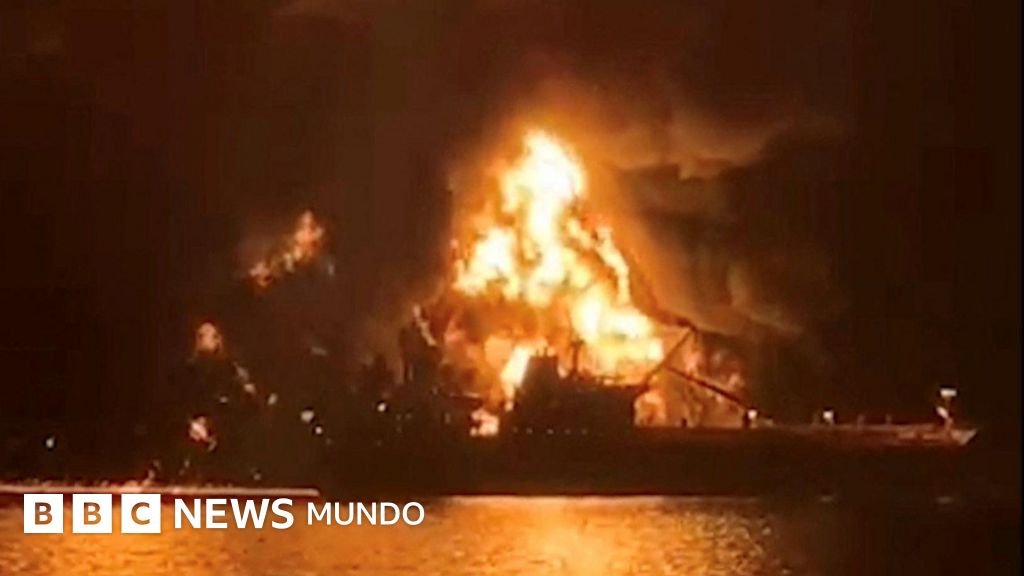
The ongoing conflict in the Gulf region has resulted in substantial oil supply challenges. Recently, two oil tankers were reported attacked in Iraqi waters by Iranian forces, raising alarm about the implications for global energy supply. In response, the International Energy Agency (IEA) announced it will release 400 million barrels of oil to mitigate the expected supply shortfall. This article takes a closer look at the situation and its potential impact on oil prices.
The IEA’s Bold Move to Stabilize Oil Markets
On Wednesday, IEA Executive Director Fatih Birol announced the decision to release a significant amount of oil from reserves, following threats from Iran regarding the Strait of Hormuz, a crucial passage that handles over 20% of the world’s oil supply. This unanimous decision from the IEA’s 32 member countries marks the largest release of oil reserves in the agency’s history.
Iran’s Threats and Rising Oil Prices
Despite the IEA’s efforts, oil prices soared again, with Brent crude jumping over 9% during Asian trading, breaching the $100 mark before stabilizing around $97.50. The spike in prices comes as Iran has been actively threatening to block oil transport through the Strait, leading to escalating tensions.
Recent Attacks and Their Impact
Amid rising tensions, three cargo ships were reportedly hit by projectiles in the Strait of Hormuz, with Iran claiming responsibility for at least one of the attacks. Concurrently, reports surfaced of foreign oil tankers being attacked in Iraqi ports, prompting condemnation from local authorities.
US Response and Strategic Actions
In the wake of these developments, the US government announced it will release 172 million barrels from its strategic reserves as part of a coordinated international response aimed at easing energy prices. Deliveries are set to begin next week, expected to last for around 120 days.
A Historically Unprecedented Crisis
Birol referred to the current situation as “a crisis of unprecedented scale,” highlighting the collective action taken by IEA member countries. The 400 million barrels released represent approximately four days of global consumption, reflecting concerted international efforts to stabilize a volatile market.
Historical Context of Oil Reserve Releases
This marks the sixth instance the IEA has coordinated a reserve release, with previous actions occurring in 1991, 2005, 2011, and twice in 2022. The member countries collectively hold over 1.2 billion barrels in emergency reserves, alongside another 600 million held by the oil industry under regulatory obligations.
The Future of Oil Prices and Regional Stability
Before the recent conflict escalated, oil prices hovered around $60 per barrel. This latest conflict has driven prices above $100, with warnings that they may reach even higher if regional stability continues to deteriorate. Observations indicate that the insecurity has not only led to price hikes but also prompted global petrol prices to rise.
Iran’s Strategic Shift
The Iranian regime has announced a shift in its military strategy, focusing on obstructing traffic in the Strait of Hormuz. Officials have declared that any ship bound for the US and its allies will be considered a legitimate target, raising concerns over further escalations in hostility.
The Broader Implications for Global Producers
In response to the crisis, countries in the Middle East are exploring alternative routes to mitigate supply disruptions. Saudi Arabia, for instance, is increasing oil flows through its East-West Pipeline, while other Gulf states are reducing production in the face of ongoing tensions.
Production Adjustments in the Gulf
While Saudi Arabia has ramped up its output capacity to approximately 7 million barrels per day, the reality is that such adjustments cannot fully compensate for the oil typically transported through the Strait of Hormuz. As a result, nations like Kuwait and Iraq have begun to scale back production.
Conclusion
The current turmoil in the Gulf region has led to significant disruptions in oil supply and unforeseen price hikes in the global market. As nations respond with coordinated strategies, the future of oil pricing and availability hangs in the balance, contingent upon the evolving geopolitical landscape.
Key Takeaways:
- The IEA has authorized the release of 400 million barrels of oil to counter supply shortfalls.
- Iran’s military actions in the Strait of Hormuz have escalated tensions, impacting global oil prices.
- The US is releasing 172 million barrels from its reserves to stabilize energy markets.
- Middle Eastern oil producers are seeking alternatives to manage the ongoing crisis.